 EN
EN

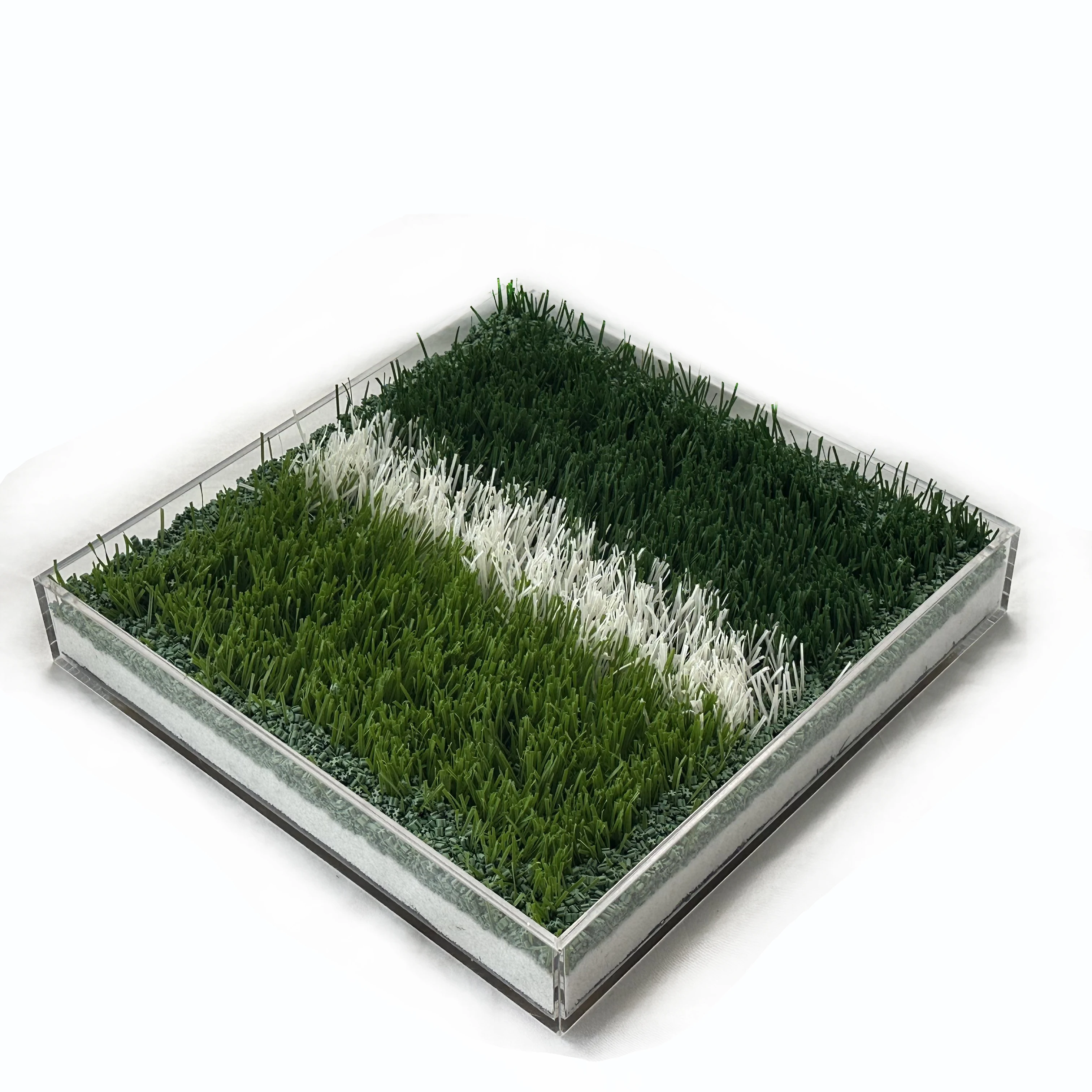
Schools across the country are recording a change when it comes to sporting turf from natural grass fields to synthetic turf fields. That switch is taking place for several reasons: to save money, afford higher durability and make maintenance less complicated. MCG is leading the industry in offering top of the line synthetic turf options for schools that want to make the switch.
Benefits School Will Experience with Artificial Turf Fields
Fine tune synthetic turf fields for schools. There is a big advantage to be saved over the course of time. Yes it may be more expensive than the natural variety initially, but because that artificial grass turf does not need much maintenance or water; schools end up saving thousands of dollars. In addition, synthetic surface fields are more resilient and durable than traditional natural surfaces including grass, resulting in the ability to sustain high level use by sports teams or physical education classes. This simply means that schools will not have to deal with uneven surfaces or muddy fields, which in turn is easier and more fun for the kids. Also, synthetic fields can be played on more often as they have no need to recover from heavy use after a game as natural grass does. All in all, an artificial turf field makes a lot of sens for schools that want to save money and still offer their students a great place to play.
Synthetic Turf Field Wholesale Choices
There are a wide array of wholesale options available to schools when considering the purchase of synthetic turf fields. MCG provides schools a choice in price and value–from affordable entry level synthetic grass systems to premium, high-end and the most realistic looking synthetic turf products. From standard elementary school turf fields to top-of-the line high schools and colleges, MCG has a solution for every educational venue. What’s more, MCG offers a personalized level of service from the first phone call through purchase that will help schools receive the most value for their dollar. When school officials choose MCG Sport Artificial Grass to install their synthetic turf field they can be confident that it’s bright enough for TV, but doesn’t cost them an arm and a leg.
Common Problems with Natural Grass Fields in Schools
Natural grass in schools inevitably is subject to heavy use and children playing sports and recess, so natural surfaces wear. The lawn can get patchy, muddy and uneven which is a safety hazard for students. To take care of natural grass fields is a pain in the ass. Schools must mow, water, fertilize and aerate the grass regularly to keep it healthy enough to play on. You see, such maintenance chores can turn out costly and time-consuming for schools that have a tight budget and are low in resources. Moreover, natural grass fields can be damaged by insects, disease and severe weather that may contribute to the degradation of the playing surface.
How to Care for Synthetic Grass Fields at School
Schools Synthetic turf fields are a low-maintenance alternative to natural grass schools fields. In order to maintain synthetic turf fields, a regular maintenance program must be instituted by schools. This will include sweeping the field to remove debris such as leaves and garbage, and brushing the synthetic turf fibers to ensure they remain upright and do not mat. And schools should groom the turf frequently to redistribute infill and prevent compaction. Also, field should be examined for any damage or tear and if found one than it should be repaired as soon as possible to protect the existing condition of the field. In doing so, schools will maintain synthetic turf for safety and longevity in support of playability by its students.
What Are The Best Advantages Of Synthetic Turf For Schools?
Artificial fields are a convenient option for schools in many ways over natural grass. First and foremost is that MCG synthetic turf can take the heavy use of both people and weather without getting ruined or dangerous to use. This guarantees that students will always have a playable surface for sports and activities all year round. Synthetic turf fields are also significantly less maintenance-intensive, saving schools time and money on expensive care. Furthermore, synthetic grass is more eco-friendly than natural grass because it doesn't need water, pesticides and fertilizers to maintain. This might even allow schools to decrease their carbon footprint while promoting sustainability. In sum, artificial turf fields offer schools a durable, inexpensive and sustainable way to establish safe outdoor areas for students to congregate.