 EN

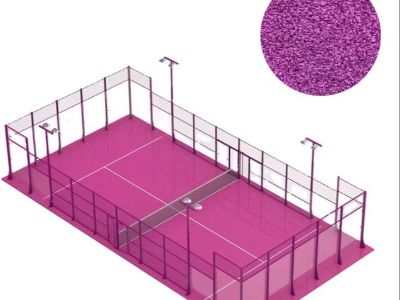
When it comes to playing tennis, the surface of the court is very important. It can change how the game feels and how well players can perform. At MCG, we know that having the right tennis court surface can really make a difference. There are different types of surfaces like clay, grass, and hard courts, and each one has its own special features. For example, clay courts slow down the ball and make it easier to slide, while grass courts can make the ball bounce differently. Choosing the right surface is important for players, whether they are beginners or professionals. It can help them play their best and enjoy the game more.
How to Choose the Right Tennis Court Surface for Optimal Performance?
Choosing the right tennis court surface is not just about looks; it’s about how the game is played. Each type of surface can change the way a ball bounces and how players move. For instance, if you want a surface that is friendly to your knees and joints, you might want to go with a clay court. Clay is soft and helps reduce the impact on your body. On the other hand, if you like fast play and quick movements, a hard court might be best. Hard courts let the ball bounce high, which can be great for powerful players. Grass courts are more rare, but they offer a unique experience. They can be tricky because the ball can skid on the grass.
When you're picking a surface, think about who will use the court. If it’s for kids or beginners, a softer surface like clay could be safer. You also have to think about the weather. Some surfaces can get slippery when wet, while others drain water quickly. It's also good to ask about maintenance. Hard courts may need less upkeep than grass, which needs regular mowing. Lastly, think about your budget. Some surfaces can be more expensive to install and maintain. MCG can help you figure out what works best for your needs and budget, ensuring you get the most out of your paddle tennis court.
Where to Find Wholesale Tennis Court Surfacing Materials at Competitive Prices?
If you are looking to build or resurface a tennis court, finding materials at a good price is important. MCG offers wholesale tennis court surfacing materials that are both affordable and high-quality. You can find everything from acrylic coatings for hard courts to clay mixtures for those beautiful red clay courts. Buying in bulk can save you money, especially if you are working on multiple courts.
To get these materials, start by checking local suppliers who specialize in sports surfaces. They often have the best prices and can provide advice on what to choose. If you can't find what you need locally, MCG can ship materials directly to you, making it easier to get what you want. Remember to compare prices and quality. Sometimes, the cheapest option isn’t the best for your court. It’s also a good idea to read reviews or talk to others who have built courts to see what worked for them. Finally, don’t hesitate to reach out to MCG for help; we can guide you through the process and help you find the best materials at competitive prices.
When you want to build a professional tennis court, it's important to know what to look out for. The surface of the court can change how the game is played and enjoyed. First, you need to think about the type of material you want for the beautiful tennis courts. There are different surfaces like clay, grass, and hard courts. Each one has its own special features. For example, clay courts are soft and slow down the ball, which can help players with control. Hard courts are made of concrete or asphalt and are faster, making the game more exciting. MCG can help you choose the right surface based on what you need. You should also consider the weather in your area. If you live in a place with a lot of rain, a surface that drains well is important. Additionally, the court’s color can affect how players see the ball. Bright colors can make the ball stand out better against the surface. It’s also essential to check if the surface is safe. A good court should have enough grip to prevent players from slipping and falling. Lastly, think about the maintenance needs. Some surfaces need more care than others, and you want to make sure you can keep it looking great and safe for years to come.
The type of tennis court surface can really affect how players perform.
Each surface has its own speed and feel, which can change how the game is played. For example, on a grass court, the ball bounces lower and faster, which can make it tricky for players. This surface is great for skilled players who can quickly adapt to the fast pace. On the other hand, clay courts allow the ball to bounce higher and slower. This means players have more time to react and set up their shots, which can help those who like to play longer rallies. Hard courts are a mix of both; they provide a consistent bounce and can be fast or slow depending on how they are built. MCG knows how different surfaces impact player performance, and they can help you choose the best one for your needs. Players also have personal preferences. Some feel more comfortable on softer surfaces, while others prefer harder ones. This choice can affect their confidence and how well they play. The surface can even influence the types of shots players use. For example, on clay, players might use more topspin shots, while on grass, they might focus on quick volleys. By understanding how different surfaces work, players can train better and improve their game.
Conclusion
To keep your tennis court surface in great shape for a long time, regular maintenance is key. Each type of surface has different needs, and knowing how to care for them is important. For a clay court, it’s vital to keep the surface damp to prevent cracks and keep it smooth. You should regularly roll the court to keep it even and replace any loose material. MCG can offer advice on how often to do these tasks. Grass courts need to be mowed regularly to keep the grass at a good height. You also have to watch for weeds and pests that could harm the grass. Hard courts are usually easier to care for. You just need to sweep and clean them regularly to remove dirt and debris. Sealing the surface every few years can help protect it from weather damage. No matter what surface you have, it’s important to check for any cracks or damage. Fixing these issues quickly can prevent bigger problems later on. Lastly, make sure to keep the area around the court clear. Good drainage is important to prevent water from pooling and damaging the surface. By following these maintenance tips, you can ensure that your tennis court stays in top condition for many years, allowing players to enjoy the game safely and effectively.